
Services
Automation
Consulting firms can help implement automated cutting machines, digital cutting room software, and other technologies to improve speed, accuracy, and efficiency.
 |
 |
 |
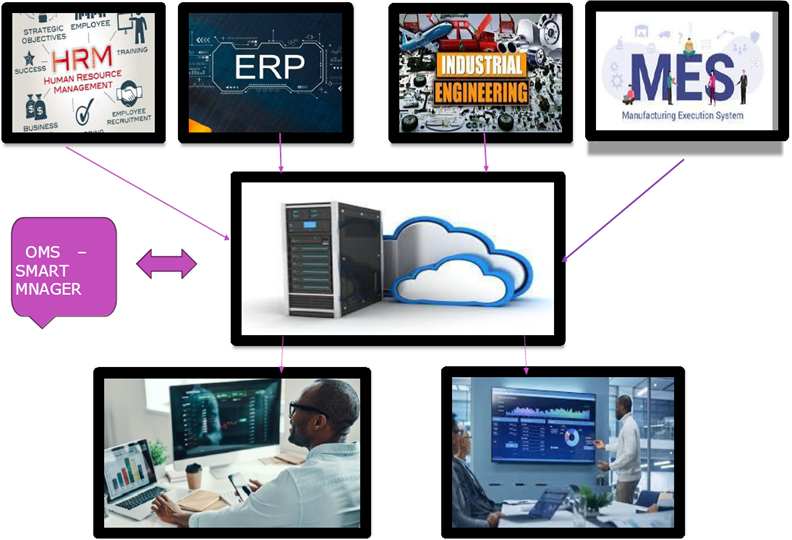
| Digital Product Development | Pattern making engineering, procurement speed | Material saving, Labor saving, Time saving, Energy saving & Business KPI’s Monitoring. |
| Digital Cutting Room | CEO – Dashboards & KPI’s | |
| Cutting Room Services & Consulting | Auto machine loads & stitches, High speed with exact placement, Robotic arms align and stitch, Laser guide & programmable | |
| Dashboard Consulting |
Workflow
Analyzing and improving the entire cutting room workflow, from spreading and cutting to bundling and marking, can lead to significant gains.
 |
Training
Providing training for operators on new equipment and processes, as well as developing skills for improved efficiency.
Benefits of Cutting Room Consulting:
Reduced Waste:
Optimizing fabric use and minimizing waste through improved processes and technology.
Increased Efficiency:
Streamlining workflows, automating tasks, and improving overall production speed.
Improved Accuracy:
Using technology and quality control measures to ensure precise cuts and minimize errors.
Reduced Costs:
By optimizing resource use, minimizing waste, and improving efficiency, consulting services can help reduce production costs.
Competitive Advantage:
Implementing modern technology and best practices can help manufacturers gain a competitive edge in the market.
Machine
Efficient machine maintenance is essential for consistent production, superior fabric quality, and long-term cost control in textile manufacturing. Well-maintained machinery reduces unexpected breakdowns, extends equipment life, and ensures uninterrupted operations across all production stages. A structured maintenance approach helps textile manufacturers improve productivity while minimizing downtime and repair costs.
Importance of Regular Machine Maintenance
- Ensures smooth and reliable machine performance
- Reduces unplanned downtime and production loss
- Improves fabric quality and process consistency
- Extends the service life of machines and components
- Enhances workplace safety and compliance
- Optimizes maintenance and operating costs
Consumable
Consumables are an essential part of textile manufacturing, supporting smooth operations across every stage of production. These are materials and supplies that are used continuously and replaced regularly to maintain efficiency, quality, and reliability in textile processes. While consumables do not become part of the final product, they play a critical role in ensuring consistent output, minimizing downtime, and extending machine life.
 |
 |
 |